
When you drink alcohol, it’s absorbed into your bloodstream and quickly travels to your brain. To effectively flush sulfites from your body, it’s crucial to enhance your water intake, which aids your kidneys in expelling toxins. Foods high in molybdenum, such as beans, lentils, and whole grains, support sulfite detoxification. Moreover, the 20-minute rule is linked to the broader concept of mindful drinking, which can assist individuals in cutting back their alcohol intake. It can be especially helpful during occasions where alcohol consumption might increase, acting why do i sneeze when i drink wine as a simple yet effective strategy to maintain control.
Common Triggers for Sneezing
This enzyme is produced from a gene but when, this gene is absent in the body, there is a lack of enzymes which leads to breaking down of alcohol but in an incomplete way. People who drink daily or almost every day should not be left alone for the first few days after stopping alcohol. For those with histamine intolerance, adopting a histamine-free diet is recommended.
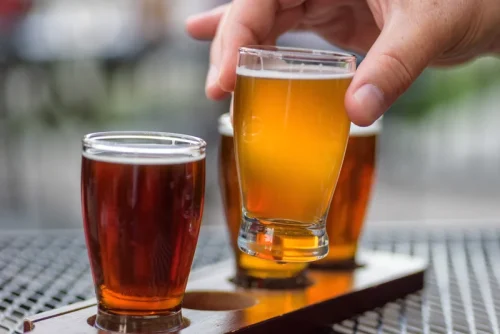
Why Does Beer Make Me Sneeze And Get Congested?

Researchers are still trying to uncover the exact link, but some studies suggest alcohol makes asthma symptoms worse and can even lead to asthma attacks. Wine-intolerant persons were also more likely to report intolerance to beer and alcohol in general. Allergy testing can determine if a person is allergic to histamine or other compounds found in red wine.
Unraveling the Mystery: Why Do We Sneeze When Drinking Red Wine?
Botrytis cinerea is a mold that causes noble rot in wine, which can also cause reactions in some people. This genetic condition means that you experience negative symptoms when drinking alcohol because your body is unable to process it properly. Because the body can’t break down alcohol, it’s toxic byproducts flood the system and accumulate with each drink you have. Beer amphetamine addiction treatment also contains histamines which could cause a reaction in some people, including sneezing and stuffy nose after drinking. One theory suggests that alcohol-induced sneezing may be related to nasal congestion.
- As it turns out, understanding your alcohol-induced stuffy nose starts with understanding how your body processes alcohol — or tries to, anyway.
- Clear alcohol like vodka and gin contain less histamine and sulfites, so are less likely to cause a reaction.
- If you’re allergic to any of the ingredients in a mixed drink, you may want to avoid it.
- When this blood-brain barrier isn’t protected as it should be, the brain is more susceptible to headache-inducing triggers.
- While alcohol-induced sneezing is generally harmless, taking note of any severe or persistent symptoms is essential.
- While not a true allergy, these reactions can be uncomfortable and even dangerous in extreme cases.
Trump says calling Walz after Minnesota shootings would be ‘waste of time’
Researchers are exploring the complex relationship between alcohol and allergic reactions. People who drink red wine may be more prone to dehydration than those who don’t, as alcoholic drinks can increase the body’s need for fluids. Therefore, it is important to stay hydrated when drinking alcohol by having a glass of water between drinks and avoiding caffeine or carbonated beverages. Nonallergic rhinitis, characterized by inflammation of nasal tissues, may cause sneezing alongside nasal congestion, a runny nose, and postnasal drip. Unlike allergic rhinitis, nonallergic rhinitis is not triggered by allergens, and can occur due to environmental irritants like smoke, strong odors, and dry air.
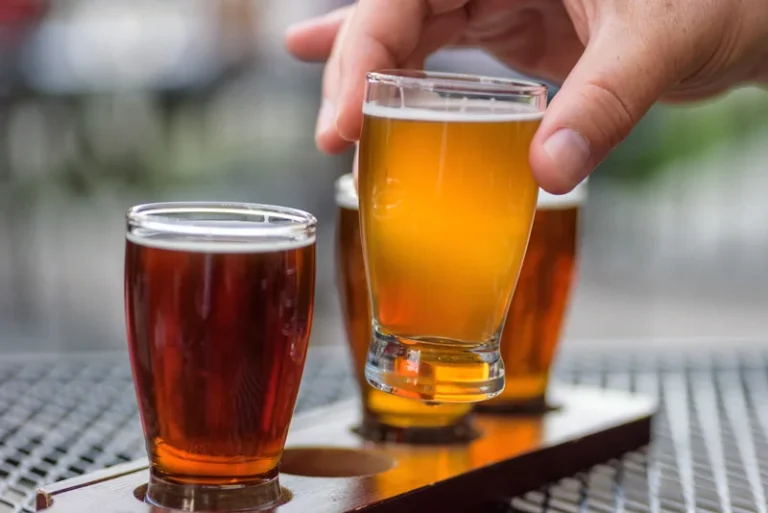
This is especially evident on the surface of the skin and is why people tend to get more flushed or red when they drink alcohol. Allergens in wine can cause a range of reactions, including skin irritation, gastrointestinal problems, and respiratory symptoms. It is important to be aware of the potential allergens present in wine so that those who suffer from allergies can choose wines that are safe for them to drink. Interestingly enough, gender differences can influence how individuals react to alcohol consumption—including sneezing responses. Studies suggest that women may experience more severe allergic reactions to alcohol than men due to differences in body chemistry and hormonal fluctuations. Symptoms of alcohol intolerance include flushing of the skin, nausea, rapid heartbeat—and yes—sneezing as well.
- Alcohol intolerance is a genetic condition where the body struggles to break down alcohol efficiently, leading to symptoms such as a stuffy or runny nose.
- Alcohol can worsen your difficulty breathing through your nose, so it’s important to be mindful of how much you consume.
- This is especially evident on the surface of the skin and is why people tend to get more flushed or red when they drink alcohol.
Sponsored Content by Taboola
The floaties are perfectly safe to consume, although it can sometimes mean that a beer is too old (old beer sediment looks like dandruff — avoid at all costs). We may never know for sure but that doesn’t mean we can’t enjoy a glass of vino every now and then. Drinking plenty of water, limiting and slowing down alcohol consumption, and eating before drinking can help to reduce the vasodilation effects of alcohol. Alcohol consumption may also stimulate the trigeminal nerve, which is responsible for transmitting sensory information from the face to the brain. This stimulation could lead to sneezing, particularly in individuals who have a hypersensitive trigeminal nerve.
- Nonallergic rhinitis, characterized by inflammation of nasal tissues, may cause sneezing alongside nasal congestion, a runny nose, and postnasal drip.
- Many alcoholic drinks, particularly red wine and certain beers, contain histamines due to fermentation processes.
- Wine-intolerant persons were also more likely to report intolerance to beer and alcohol in general.
- It could also be that alcohol has a natural side effect to make people congested.
What Are The Causes Of Sneezing With No Other Symptoms?
One is that alcohol dilates blood vessels in the nose, which can cause irritation and lead to sneezing. Another possibility is that alcohol irritates the mucous membranes in the nose, causing them to swell and lead to sneezing. An alcohol intolerance is commonly mistaken for an alcohol allergy and is often misdiagnosed. If your body is unable to remove acetaldehyde from the body, symptoms like congestion, flushing, headaches, and more can persist. Miller said the symptoms can get worse since she has found that wine frequently compounds her other food allergies.
- But not many people realize that there are many ingredients, additives, and preservatives within alcoholic beverages that can cause negative side effects.
- Studies show that red and white wine are more likely to create nasal congestion symptoms, so avoiding this type of alcohol may help.
- Your body holds on to the nutritive parts of what you eat and drink, but, otherwise, what goes in must also come out.
Can alcohol-induced sneezing be prevented?
The symptoms of a beer allergy are similar to those of other allergic reactions and can include abdominal pain, bloating, chest tightness, hives, wheezing, and chest pain. Some people are sensitive to sulfites and can exhibit adverse reactions to sulfite residues in foods. Such reactions can include wheezing, coughing, chest tightness, and allergic rhinitis (hay fever).


